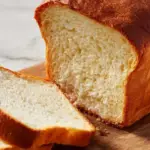
If you have a craving for a bread that exudes history and comfort with every bite, this Anadama Bread Recipe is exactly what you need in your kitchen. This traditional New England yeast bread is uniquely made with cornmeal and molasses, giving it a warm, slightly sweet flavor and a wonderfully soft, hearty texture. It’s a slice of Americana that manages to feel both rustic and inviting, perfect for breakfasts, snacks, or alongside your favorite soups and stews. Trust me, once you try this Anadama Bread Recipe, it will quickly become a cherished favorite.
Ingredients You’ll Need

The beauty of this Anadama Bread Recipe lies in its simplicity. Each ingredient plays a crucial role, whether it’s building the soft crumb, contributing subtle sweetness, or adding that characteristic golden hue. Let’s break down what you’ll need to bring this loaf to life.
- Water: Acts as the base for the dough and helps activate the yeast.
- Cornmeal: Adds a distinctive grainy texture and a warm, earthy flavor to the bread.
- Molasses: Imparts the bread’s signature deep sweetness and rich color.
- Butter: Brings moisture and a tender crumb to the finished loaf.
- Salt: Enhances all the flavors and helps control yeast activity.
- Active dry yeast: Essential for the bread to rise and develop its fluffy texture.
- All-purpose flour: Provides structure and forms the dough’s foundation.
How to Make Anadama Bread Recipe
Step 1: Cook the Cornmeal Base
Begin by bringing the water to a boil, then stir in the cornmeal. Cook the mixture until it thickens to a creamy consistency. This step is what gives the bread its unique texture and subtly sweet base, anchoring the flavors beautifully.
Step 2: Mix in Molasses, Butter, and Salt
Remove the pot from heat and quickly whisk in the molasses, butter, and salt until everything is melted and combined. Allow this mixture to cool until it’s just warm to the touch, as adding yeast directly to hot ingredients can kill it.
Step 3: Activate the Yeast
Once warm, stir in the active dry yeast. You’ll want to wait a few minutes for the yeast to wake up and begin bubbling — it’s a little sign that your bread is on its way.
Step 4: Combine with Flour and Form Dough
Gradually add the all-purpose flour to the wet mixture, stirring as you go until the dough starts to come together. You want a dough that’s soft but not sticky, so adjust the flour amounts as needed.
Step 5: Knead the Dough
Transfer the dough to a lightly floured surface and knead it for about 8 to 10 minutes. This step helps build gluten, which gives Anadama bread that slightly chewy, satisfying texture.
Step 6: First Rise
Place your kneaded dough into a greased bowl, cover it, and let it rise in a warm spot for 1 to 2 hours. During this time, the dough will double in size, becoming fluffy and full of air — the promise of a perfect loaf.
Step 7: Shape and Second Rise
Punch down the dough gently, shape it into a loaf, and place it into a greased baking pan. Cover again and let it rise for another 30 to 45 minutes. This second rise ensures a tender crumb and proper bread structure.
Step 8: Bake Your Anadama Bread
Preheat your oven to 375°F (190°C) and bake the bread for 30 to 35 minutes. You’ll know it’s done when the crust is golden brown and the loaf sounds hollow when tapped.
Step 9: Cool Before Slicing
Allow the bread to cool completely on a wire rack before slicing. Cooling lets the crumb set properly, making each slice wonderfully soft and easy to cut.
How to Serve Anadama Bread Recipe

Garnishes
While the bread shines on its own, pairing a warm slice with a pat of creamy butter or a drizzle of honey enhances its natural sweetness. For a savory touch, try spreading it with sharp cheddar or cream cheese, and maybe a sprinkle of chives or fresh herbs.
Side Dishes
This Anadama Bread Recipe pairs beautifully with robust dishes. Think hearty stews, chili, or clam chowder — the bread’s slightly sweet and dense texture soaks up brothy goodness perfectly and adds balance to rich flavors.
Creative Ways to Present
Beyond the usual sliced loaf, try toasting thick slices until golden and topping with avocado, smoked salmon, or even a fried egg for a cozy brunch. Or cube your Anadama bread and use it in a savory bread pudding or stuffing—its unique flavor adds an unexpected depth.
Make Ahead and Storage
Storing Leftovers
Once cooled, store leftover Anadama bread wrapped tightly in plastic wrap or in an airtight container. It will stay fresh at room temperature for up to two days, retaining its tender crumb and subtle sweetness.
Freezing
To keep your bread longer, slice and freeze it in airtight freezer bags. This way, you can toast as needed without losing the bread’s delightful texture and flavor. Properly stored, it will last up to three months in the freezer.
Reheating
For the freshest taste, thaw frozen slices at room temperature and toast them lightly. You can also warm whole bread at 350°F (175°C) for about 10 minutes, wrapped in foil, to restore that just-baked warmth.
FAQs
What gives Anadama bread its distinctive flavor?
The sweet richness of molasses combined with the hearty cornmeal is what makes Anadama bread stand out. The molasses adds depth and sweetness, while the cornmeal contributes a slight texture and a gentle earthiness.
Can I substitute whole wheat flour for all-purpose flour?
Yes, you can substitute whole wheat flour, but keep in mind it will result in a denser loaf with a nuttier taste. You might want to use a blend of whole wheat and all-purpose to maintain some lightness.
Is this Anadama Bread Recipe suitable for beginners?
Absolutely! This recipe uses straightforward steps and simple ingredients, making it accessible even if you’re new to baking bread. Just be patient during the rising stages, and you’ll be rewarded with a delicious homemade loaf.
How important is the temperature of the liquid when adding yeast?
The liquid should be warm but not hot, ideally between 100°F and 110°F (38°C to 43°C). Too hot can kill the yeast, while too cold won’t activate it properly, so aiming for warmth is key to good rise.
Can I make this bread without cornmeal?
While the cornmeal is a defining ingredient in Anadama bread and contributes to its texture and flavor, you can omit it if necessary. Your bread will be lighter and lack that signature graininess but will still be tasty.
Final Thoughts
Jumping into this Anadama Bread Recipe is like embracing a warm slice of history with every loaf you bake. The sweet molasses and hearty cornmeal make it wonderfully comforting and versatile. Whether you’re a bread novice or a seasoned baker, this recipe is a joy to make and even more delightful to share. So roll up your sleeves, warm your kitchen with the scent of baking bread, and enjoy every bite of this classic New England treasure.